Dangerous Goods Services: Safe & Compliant Logistics by ARTS Logistics
What is Dangerous Goods Services?
Global trade has become faster and more interconnected than ever before. Businesses today depend heavily on efficient logistics partners to move goods across countries quickly, safely, and cost-effectively. This is where Freight Forwarding Services play a vital role. At ARTS Logistics, we provide reliable freight forwarding solutions that simplify international shipping and ensure your cargo reaches its destination smoothly. In this blog, we explore how freight forwarding works, why it matters for businesses, and how ARTS Logistics can support your supply chain. Freight forwarding is the process of coordinating and managing the shipment of goods from one location to another through various transportation modes such as air, sea, rail, or road.
Why Dangerous Goods Services is Important for International Trade
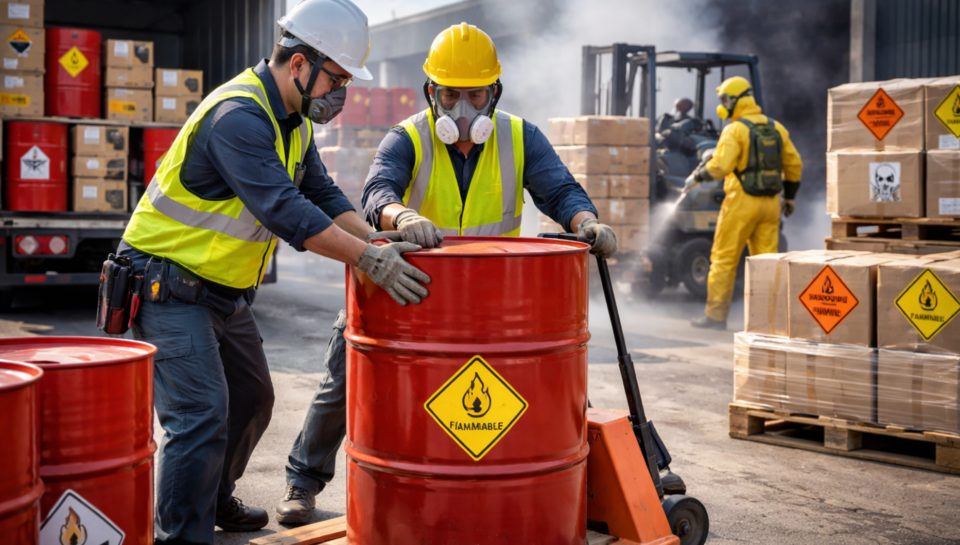
Understanding Dangerous Goods in Logistics : Dangerous goods refer to substances or materials that pose potential risks to health, safety, property, or the environment during transportation. These materials require special handling procedures, proper packaging, and accurate labeling to ensure safe movement through the logistics chain.
Regulatory Compliance and Documentation : Shipping hazardous materials requires complete compliance with international shipping regulations. Improper documentation or labeling can result in shipment delays, penalties, or safety hazards.
Proper Packaging and Labeling : Packaging is one of the most important aspects of transporting dangerous goods. Hazardous materials must be packaged using approved containers and specialized materials designed to prevent leakage, contamination, or damage during transit.
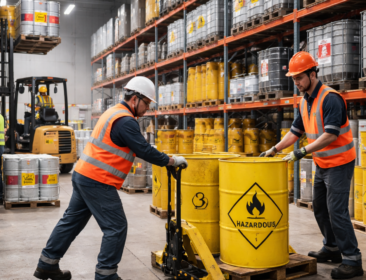
Classification of Hazardous Materials : Dangerous goods are divided into different categories depending on their chemical and physical properties. Each category requires specific handling, packaging, and transportation procedures.
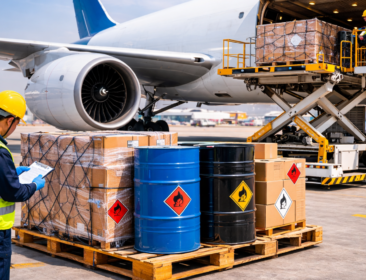
Specialized Transportation Solutions : Different dangerous goods require different transportation methods depending on their risk level and handling requirements. Some hazardous materials require special containers, temperature control, or restricted transportation routes.
Why Choose ARTS Logistics for Dangerous Goods Services
ARTS Logistics is committed to delivering reliable and compliant logistics solutions for hazardous cargo. Our expertise in dangerous goods handling, combined with strong regulatory knowledge, allows us to manage complex shipments with confidence.
From classification and packaging to documentation and transportation, our dedicated team ensures that hazardous cargo is handled professionally at every stage. Our commitment to safety, compliance, and efficiency makes ARTS Logistics a trusted partner for dangerous goods transportation.